At Garissa Part II Where to Take our Doubts
It’s a decision. Where do we take our doubts and questions? We can keep them bottled up and stew in our own juices. Or we can take them to Jesus. It’s a decision. A word from Curt Wow. Yesterday, we began a three part essay on trying to understand evil and tragedy and God’s providence. If you missed it, read At Garissa Part 1 Thanks to all who commented and shared yesterday’s article. To our early readers: I depend (and welcome) on you to quickly notify me of any errors, glitches, or confusion in my blogs. Simply send me a message/comment and we’ll correct ASAP. At Garissa Part II What about Doubts? As I look squarely at my questions on why God would allow a team of killers to murder nearly 150 Kenyan students due to their allegiance to Jesus (or lack of allegiance to Islam) I go back to a quote of another Jesus follower who bravely dealt with doubts and despair. Charles H. Spurgeon, England’s “Prince of Preachers” was like me in being prone to depression. He is attributed with this statement: God is too strong to be confused. And too kind to be cruel. So when I cannot trace his hand. I simply trust his heart. That’s where I’m at. I do trust Him. Jesus has never disappointed me in my forty-plus years of following him. Like Peter, when the crowds began leaving Jesus, I have nowhere else to turn. “Master, we’ve left everything to follow you. Where would we go? You have the words of life.” Peter was all in. No plan B. The ships had been sold. The decision made. I have decided to follow Jesus. No turning back, no turning back. That’s where I’m at. And I’m completely at peace with that.In spite of doubts, questions, and confusion. No turning back. No turning back. Where do we take our doubts? When we are shaken by the world, we run with our questions to God. Like any good Father, he doesn’t mind our approach, even with our doubts and fears. As a Dad, it never bothered me when our boys questioned us about a rule, event, or decision. I think God is big enough to take on our questions. After Brad Robinson’s untimely death during Summer 1999, a wise Christian counselor told our grieving Dry Creek Camp family, “You’ve got lots of questions. Take them to God. He’s a big boy and can handle them.” At first, her way of putting it offended me: “God’s a big boy.” But her concept was right. We take our questions to him. He is big enough to take our doubts, fears, and words. In fact, he wants to hear from us. It doesn’t guarantee easy or quick answers. But it’s a good place to take them. And leave them. (Not an easy task but a necessary one). “Lord, I believe. Help my unbelief.” What a fine prayer by a desperate man who ran to Jesus for relief of a dying son. It wasn’t swatted away by Jesus. It was answered with grace and power. Jesus. He’s the image of the invisible God whom I believe takes on our doubts in the same way. Whether it’s a school tragedy in Kenya or Colorado. A natural disaster in Nepal, Indonesia, or New Orleans, we can approach our Savior. “Come unto me that you that are heavy-laden and I will give you rest.” No answers are guaranteed but the peace of God, a peace that “passes understanding” is waiting. At Garissa Part 3 tomorrow: Why does pure evil seem so rampant in Africa? Receive notification when new blog posts are published. If you enjoyed this story please share it with the social media buttons at top of the post. Subscribe to our monthly Story Letter and weekly podcast.. Follow us on: Curt’s Facebook Enjoy our Boards on Pinterest Twitter: @curtiles #UpCountry #goChadan The Creekbank AmazonPage Instagram curtiles We always enjoy hearing from readers like you. [gravityform id=”1″ title=”true” description=”true”]
At Garissa Part I

It’s only in the testing of our personal faith that it becomes more solid. A note from Curt I’m in the last days of exile in Kenya. Ready to get back to our Ugandan home. Thanks to all who prayed for us during my illness. I’m feeling better than ever and full of gratitude. For the next three days, I’ll be sharing a post entitled “At Garissa.” It’s as transparent as I’ve ever been. As you read it, don’t think I’ve lost my faith. My faith in the goodness and power of God is stronger than ever. It’s only in the testing of our personal faith that it becomes more solid. Africa will test your faith like nothing else. We’ve seen the good, the bad, and the ugly and everyday is a privilege to serve here. At Garissa Part 1 Statistics don’t move us like a story. We glance at the headline. “147 dead in terrorist attack in Kenyan school.” But it’s easy to be callused to far away events. A quick news cycle moves on to the next tragedy, scandal, or disaster. But a personal story is different. A story has the potential to bore into our heart. That’s why I’m been troubled since last month’s event in Kenya. As I’ve read about the Al Shabab attack on Garissa University in NE Kenya, one story has stood out. A lone survivor told it. All of the others who were present are dead. Terrorists and students alike. An armed gunman stood over three kneeling Kenyan students. Three girls, among hundreds, caught in the wrong place at the wrong time. As they pled for their lives, one cried out, “Save me, Jesus.” That was when the Islamist gunman killed her and the other two. Within a few hours, the terrorist was also dead “Save me, Jesus.” Her life ended in a plea. A prayer. A prayer to the Jesus whom I love, serve, and believe is the all-powerful Son of God. I’m going to be transparent. I’ve struggled with this since read about the killings. I have a very creative imagination. It’s the source of all kinds of stories, tales, and illustrations. When I’m writing a novel, I can see it all happening.There’s a movie playing in my head as my fingers type. That vivid imagination also can haunt me. It was as if I was there at Garissa. There watching the last moments of that girl’s life. “Save me, Jesus.” I’m working through a few deep things. Because expression—through writing—is my therapy, I’m sharing them.They may never see the light of day. Only my closest family may see this. Author’s note: after much revision and prayer, I feel led to share this. There are questions I have. 1. Why didn’t Jesus answer her prayer? If Jesus is who He says he is, he has the power to stop or cause any situation. The student asked him to save her.If He could, why didn’t He?First of all, I believe he could have and can. The Lord’s arm is not shortened. He has no limitations. I do not believe, like the Deists, in a God who wound up the universe like an alarm clock ,then stepped away.So I believe God/Jesus could’ve stopped the massacre.But he chose not to. Back to the question, why didn’t he? I have no simple answer to this. I figure my answer might not come until I reach the other side of the curtain.I suspect when I get there, no explanations will be needed.But on this earthly side of the curtain, I’m troubled.So I search the scriptures.I pray to this same Jesus. Here’s what I feel the Bible reveals: God does often choose to rescue. The Bible is chock full of “Save me, Jesus” prayers that were answered: Peter “Lord, save me.” A sinking man on the sea. Answered. Blind Man Bart “Lord, I want to see.” Sight returned. Midnight in the prison. Singing. Praying. Earthquake. Release. But, sometimes God chooses not to answer the heartfelt sincere prayer. “Father, if possible, remove this cup from me.” Could there have been a pregnant pause between this plea and “Your will be done”? No answer. It seems (to me) as if God didn’t answer. A passionate prayer—so passionate Jesus sweated blood—that seemingly wasn’t answered. There’s another Jesus prayer within the next twenty-four hours. “My God, my God, why have you forsaken me?” It’s a prayer. A plea. Even a prophecy. It’s a dark sky prayer. Prayed at the moment when the Father turns away from the Son. And as far as we can see, it’s unanswered. Thankfully, unanswered. Due to that dark day, we can walk into Heaven cleansed in the blood of this same Jesus. The story of the early church, the book of Acts, is replete with answered and unanswered “Save me, Jesus” prayers. The church prays. Peter is delivered. James is arrested. The church prays. Herod kills James the Son of Zebedee. Stephen stands tall. He dies in a hail of stones. Praying that same kind of Jesus faith prayer. “Forgive them . . . they don’t know . . .” Paul, a witness of Stephen’s death, converts, and then stands tall. He faces death by mobs repeatedly. Even gets the stone treatment, yet walks away. That’s an answered prayer. The protection of the hand of God. Eventually, Paul, Peter, and most of the leading followers of Jesus meet a violent death. I’m sure they prayed for deliverance. Who wouldn’t? Jesus, save me. The ax falls. The cross is lifted. The sword strikes. Where was their Jesus then? I believe in my heart he was right there. Like at the moment of Stephen’s death, the martyr looks up and proclaims, “Look, I see Jesus standing at the right hand of God.” No sitting. But standing. In a position of welcome. Empathy. Presence. I recall the story of Cassie Bernall. She was part of another school massacre. Columbine, Colorado. It shook our nation. Like
Different Mother, Same Father

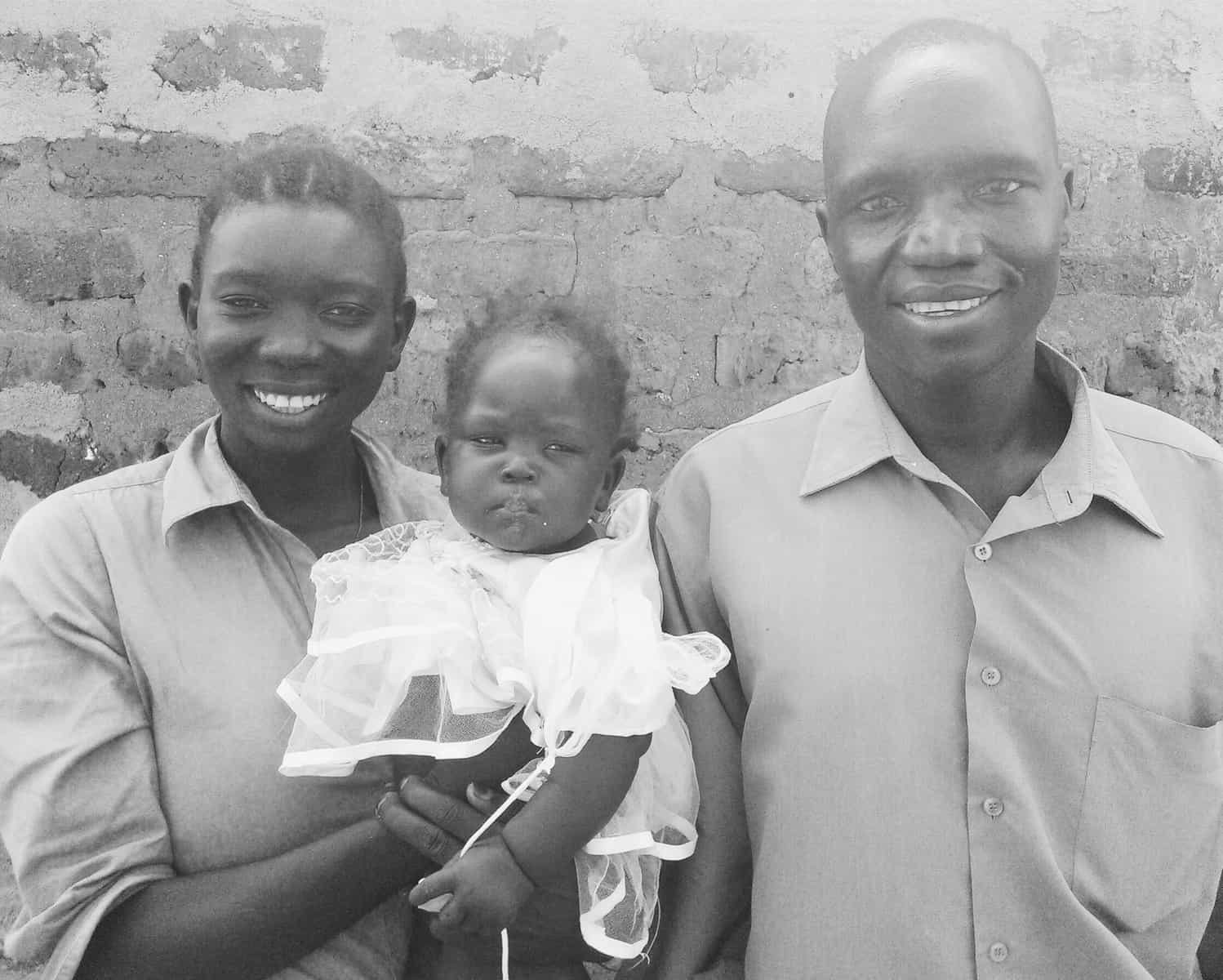
3 Key Prayer Points: Our home church, Dry Creek Baptist (La), arrives on May 7 for a week among their people group, the Kakwa. Curt and DeDe as they plan a late May trip to the Gambela region of Ethiopia. Wisdom and safety as we choose where to go in the coming months. Acholi Landmark Tree near Gulu, Uganda. Notice truck driving on “wrong side of the road.” Different Mother, Same Father I’ve always had a love affair with trees. Growing up in what is known as the Louisiana Piney Woods, I’ve always felt a kinship with the beech, oaks, and longleaf pines. After over two years in Africa, I’ve come to love the trees of this continent. The umbrella-shaped acacia trees. Be careful of those thorns! The dozens of palm species found throughout Uganda. Plantations of teak and eucalyptus trees. But my favorite tree is the one shown at the top of this post. It’s on the road south of Gulu, Uganda. It’s what Louisiana old-timers called a “landmark tree.” A majestic landmark for travelers. As we travel Up Country, the region north of the Nile River, this welcome tree signals our entry into Acholi Land and the end of a long rough day of driving. Acholi Land. A people group with dozens of stories about their culture, history, and background. Acholi country: the home of Joseph Kony and where the infamous LRA (Lord’s Resistance Army) began their reign of terror. Acholi District: home of the Invisible Children. Thousands of school children who walked into Gulu Town nightly to escape the kidnapping and maiming of the LRA. Many probably passed this tree on their way to town. However, there’s more to this Acholi Landmark tree than meets the eye. Nearing it, we realize it’s not one tree. It’s two. Two towering trees. Uncut by generations of charcoal makers, lumbermen, and road builders. Two trees that appear as one. It gets me to thinking. Two shall become one. I recall my closest northern Ugandan friends, Joseph and Jessica Anyovi. Joseph is a member of the Madi tribe. He met his Kakwan wife, Jessica, at seminary. They live in the heart of Madi country (which is west of the Acholi) in a town called Adjumani. Adjumani district holds a dozen refugee camps. There are over one hundred thousand refugees scattered over the district. All are from South Sudan and most are Dinka Bor. Joseph has led the Ugandan Madi to reach out to the Dinka, Murle, and a hodgepodge of twenty more South Sudanese tribes. He and Jessica make a great team. Joseph’s out front planning, speaking, and moving about. Jessica is much quieter. More behind the scenes. A lovely young couple. Two becoming one. Like our Acholi trees. I ask Joseph, “Why are the Madi reaching out to the Dinka refugees?” “Mzee (that’s my name here. It means elder), we Madi have been refugees. We know all about how it is to suffer and lose everything. How could we refuse to help? “ Joseph picks up his firstborn, Desire. “Besides we’re from different mothers but have the same Father.” Wow. I am old enough to be Joseph’s father, but he is teaching Mzee a valuable lesson. Caring for others—especially the downtrodden—is a mark of following Jesus. I see this modeled in the lives of oneyoung couple from two tribes. A two-become-one couple. A Madi. A Kakwa. Reaching out to the Dinka. Different mother. Same Father. Gratefully, Mzee If you enjoyed this story, you’ll want to read our latest ebook, Trampled Grass. It contains stories about Joseph, Jessica, and dozens of others who are displaying the love of Jesus with human hands and hearts. You can read a sample at Amazon or download a copy at www.creekbank.net. You can read more stories at our blog, www.creekbank.net/blog
Footin’

A word from Curt Africans call it “Footing.” It’s a verb. As in “I’m footing today.” I’ve discovered that to really know Africa, one must “go footing.” Or as we’d say back home in the land of the pines and missing g’s, Footin. I grew up at the dead end of a one mile gravel road. Daddy always said when we heard a car crunching toward our house, “They’re either lost or coming to see us.” I’ve always been a walker. It’s one of the healthiest things one can do for their body and mind. It’s also good for the soul. I love to walk in Africa. To go footin’. However, it’s seldom the relaxing shuffle of my Louisiana walks. Being a white man on a black continent makes one stick out. Every matatu (taxi) driver wants to give me a lift. Boda bodas (motorcycle taxis) swerve over in front of me urging me to ride with them. Somedays, walking becomes what we call a “begathon.” It’s the most irritating part of African walking. Children hold out their hand. Gimme something, mister. Street boys, hugging their belly, ask for food. The guard at the store frisks you, then wands you, then whispers, ‘What do you have for me today, Mzee?” I call this the price of being in (and enjoying) Africa. It goes with the territory. Recently, I was walking through Entebbe town and thought about L.C. Kern. L.C. Kern was one of my childhood heroes. He had the dual distinction of owning DeRidder’s Dixie Maid ice cream plant as well as the Coca Cola bottling plant. Both places were a part of my Louisiana upbringing. There was nothing better than a good Dixie Maid ice cream sandwich on a sizzling August day. Due to our heat, you couldn’t linger long on an ice cream sandwich. If you lingered, you’d have ice cream running down your arm. I’ll admit it here. I’ve licked it off my forearm. In fact, I’d do it again. I could’ve stood in front of Mr. Kern’s Coca Cola bottling plant all day. A large plate glass window allowed one to watch the whole process of bottling cokes on a moving conveyor belt. It was one of the highlights of a trip from Dry Creek to DeRidder: watching the assembly line filling those glass bottles. But the Coca Cola and Dixie Maid plants weren’t the reason I remember Mr. Kern. Nor does an ice cold coke remind me of him. It was his habit of walking. L.C. Kern walked everywhere. I’m not sure he owned a car. I’ll let his DeRidder family fill us in on that. He was a common sight on the streets of DeRidder. I remember my Uncle Bill (whose painting starts this post) pulling to the curb and asking, “Mr. Kern, would you like a ride?” “No, I’m in a hurry.” I still recall that after probably fifty years. Like me and my African friends, Mr. Kern was footin’ it. And that’s never a bad thing. You can subscribe to our monthly Story Letter, Receive notification when new blog posts are published. f you enjoyed this story, we’d appreciate you: Sharing this story with your friends through the social media buttons at top of the post. Subscribe to our monthly Story Letter and weekly podcast. Receive notification when new blog posts are published. Follow us on: Curt’s Facebook Enjoy our Boards on Pinterest Twitter: @curtiles #UpCountry #goChadan The Creekbank AmazonPage We always enjoy hearing from readers like you. Where was the Coca Cola plant located in DeRidder? What about Dixie Maid ice cream? [gravityform id=”1″ title=”true” description=”true”]
The Things that Matter

Question: what’s the most precious material possession you’ve lost? Reply here or in form at end of post. . . . it was a reminder that the things in life that matter aren’t things. I stared at the Ethiopian security worker as she removed my knife out of its case. “You cannot take that with you.” She handed the empty case to me and placed my multi-tool Leatherman by her X-ray machine. I was sick. This Leatherman wasn’t just a tool or knife. It was a family heirloom. A Leatherman is a multi-purpose tool. It has knives, a small saw, scissors, and much more. It’s a larger version of the venerable Swiss Army Knife. “Leatherman” and “Gerber” are two of the most popular tools carried by Southern outdoorsmen. I’ve carried mine for years on my belt. It’s been my go-to tool in Africa. It was engraved with the name of “Bill Iles.” My favorite uncle who gave it to me a decade ago. I planned to pass it on to my grandson Luke, whose full name is William Luke Iles. Billy Luke Iles. And I lost Bill Iles in the Addis Ababa Airport. I forgot to put it in my checked luggage. It was in a small bag in my carry-on backpack. I’d already passed through one international airport that failed to detect it. That’s scary in itself. But the Ethiopian security agent was doing her job. She pulled me aside and went through my backpack until she found my tool. I didn’t even attempt to argue with her. She was doing her job. I didn’t do mine. And I lost a special treasure. Once again, I was reminded about the brevity of material things. Right now at age 58, I probably own less physical items than any time since my teen years. It came with a price: Having an unforgettable estate sale that would do Bilbo Baggins justice. It left us with an empty echoing house. Then we sold that house. After thirty years of living in it. Then sold the land surrounding it. Even sold my beloved Dodge Dakota Don’t feel sorry for us. We did what we felt led to. We have no regrets. We learned that you don’t need lots of things really to be happy. In fact, going lighter has actually increased our contentment. Go figure. As the theme of the excellent book, Essentialism, teaches, Less but better. It was a trade off. There are some things I miss. There are a few items I wish I’d kept or brought to Africa. But overall the things that bring us happiness are still with us. Many are in our hearts. Others live in Louisiana. Losing my special knife was a blow. But it was a reminder that the things in life that matter aren’t things. How could I complain about losing a knife when the people I love and work beside have lost so much more. I think of Matthew and Sara. A Nuer couple separated for nearly a year due to the South Sudan Civil War. They lost everything. Except each other and their precious children. Then there’s Pastor Mark and his wife Agnes. They’ve chosen to stay in their Eastern Equatoria (South Sudan) church field. Their people are still there and so are Mark and Agnes. Pastor Mark How can I complain about losing a knife, a pine knot pile, or a pair of shoes. When I know people who’ve lost their homes, cattle, way of life, and don’t even own a pair of shoes. I think about what the refugees often say, “I got out with the shirt on my back.” Then their eyes will have that one-thousand-yard stare. “But at least I got out. Others didn’t.” Once again I pray my oft-prayed petition: “Lord, you’ve given me so much. I ask you for one more thing. A grateful heart. Amen.” Over the years I’ve written several stories concerning the value of things and preciousness of people. Enjoy: Earthly Treasures: A Pine Knot Pile You can subscribe to our monthly Story Letter, Receive notification when new blog posts are published. If you enjoyed this story, we’d appreciate you: Sharing this story with your friends through the social media buttons at top of the post. Subscribe to our monthly Story Letter and weekly podcast. Receive notification when new blog posts are published. Follow us on: Curt’s Facebook Enjoy our Boards on Pinterest Twitter: @curtiles #UpCountry #goChadan The Creekbank AmazonPage What is the most precious material possession you’ve lost? [gravityform id=”1″ title=”true” description=”true”]
Hands and Hearts: A Word for Today

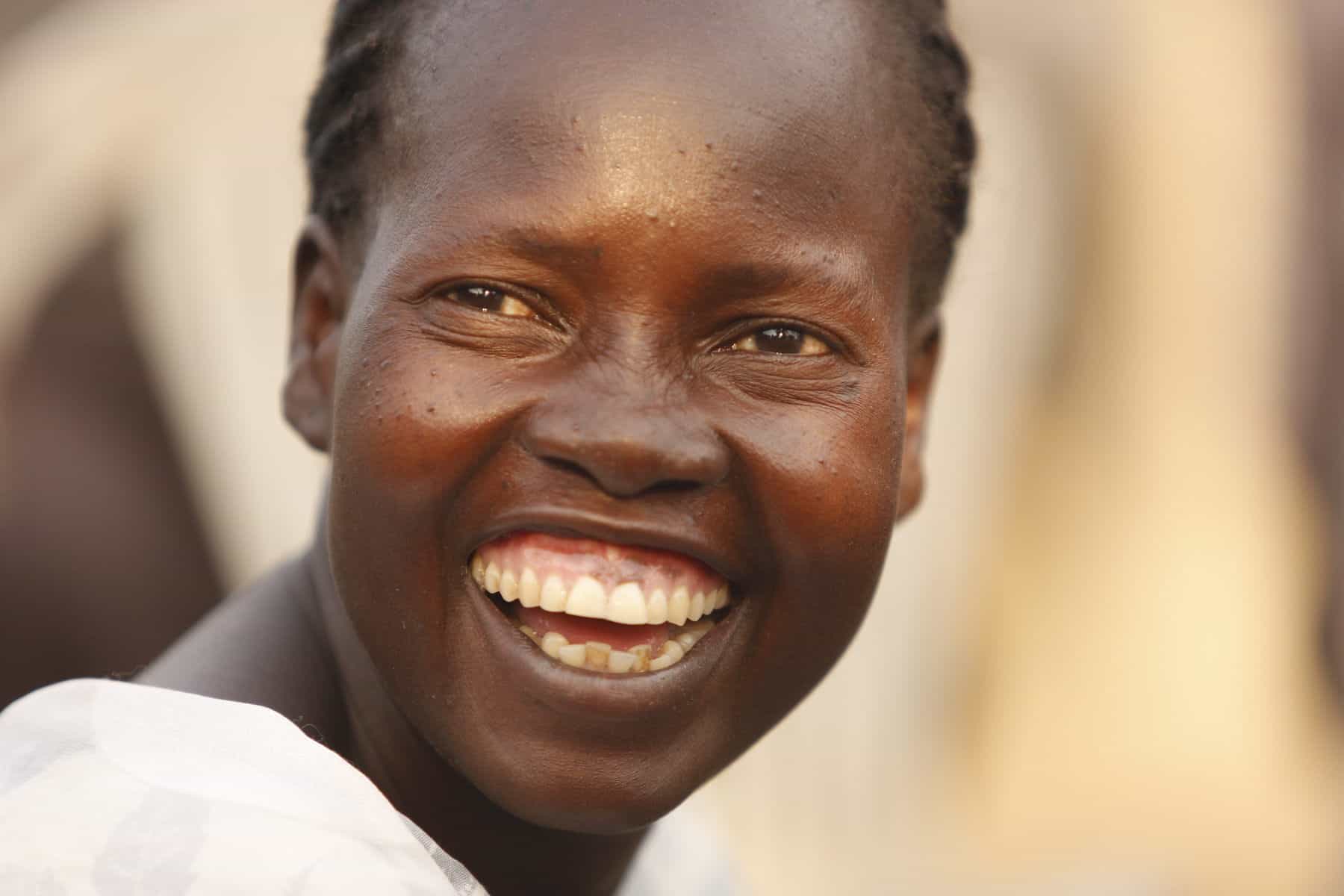
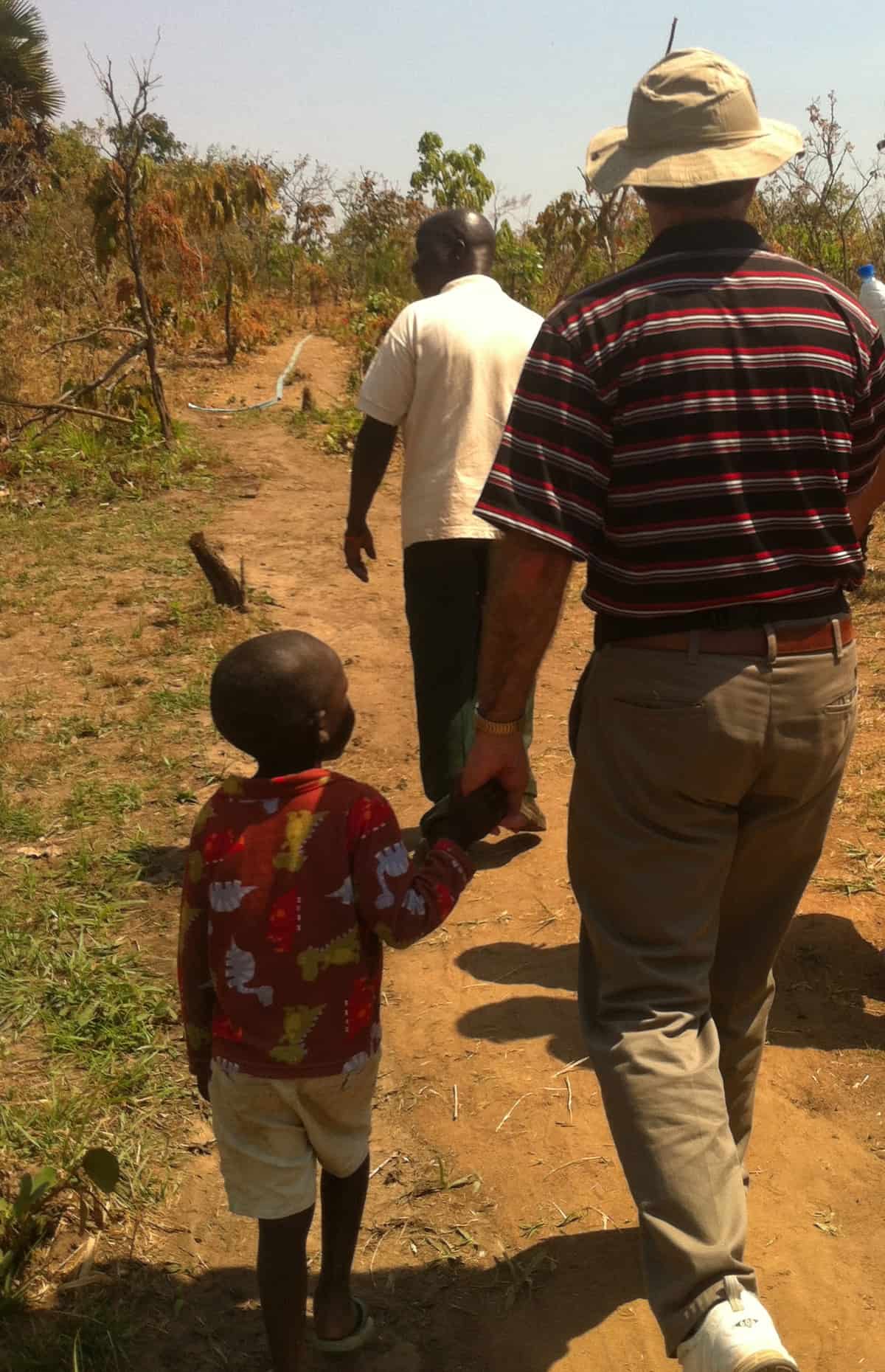
For those of you enjoying a daily helping of Christmas Jelly, today’s post will publish at noon CST. A word from Curt Today, it’s three words. StayOnMessage. Listen to a podcast of this message: Thoughts on Reached the Unreached ( 4 minutes Draft of message at FBC Durham) DeDe and I share today at First Baptist Church in Durham, North Carolina. This is the church that has graciously taken in our son Terry, his wife Sara, and our precious grandchild, Emma. I have four minutes to share about our work. I’m sharing my message with you for several reasons: 1. I believe it’s the strong StayOnMessage of why we’re in Africa at this season of our lives. 2. By reading this (and listening to the podcast) you can pray intelligently for us. Durham’s service begins at 11 am EST (7 pm “back home” in Uganda.) Will you pray for: 1.Clarity as I share for four minutes. 2. Listening ears and hearts in the listeners. 3. For God to be glorified in the entire service. He is worthy. Author’s Note: the service went very well at First Durham. It is an exciting church where God is working. So many of our Louisiana seminary students have chosen to attend there. It was great to see Cory/Gabby, Brady/Britney, Cody/Catherine, and Myra (Wes is in La.) Thanks for praying! Will you pray? This is the text of our brief message/report today at First Baptist of Durham. It is a privilege and honor to share with you today. My wife DeDe and I serve with your International Mission Board in Central Africa. We live in Uganda but our work is focused on South Sudan and Chad. Today, we’d like to both thank you and challenge you. We thank you for your generous giving through both the Cooperative Program and Lottie Moon Missions Offering. We challenge you to give like never before. Your strong reputation as a mission-focused church reaches all the way to Africa. Thank you for giving, going, sending, and praying. We serve on the IMB’s Chadan Engagement Team. Our job is simple but challenging: connecting the unreached and least reached to American churches. There are 118 Unreached People Groups in South Sudan and southern Chad. As you view the next slide: People Groups are unreached for a reason. They live in difficult places. Under trying conditions. Often, they do welcome the Gospel. Initially at least. This vehicle (shown in the slide) is provided through the Lottie Moon Offering. It’s driven by one of your missionaries, Robert Lane. He’s on the main national road connecting Uganda to South Sudan. This muddy road is typical of where we must go to reach the unreached. As you enter South Sudan on the challenging road from the previous slide, you reach the border town of Nimule. Faith Baptist Church in Nimule is a partner with our team in reaching the thousands of refugees who’ve fled South Sudan’s recent Civil War. This smiling lady is named Janet. She led her church to take in dozens of refugees from the Murle, her tribal group. The next slide shows a worship service at Faith Baptist Church, Janet’s church. The pastor is preaching in the local language, Madi. He is assisted by three translators. One translates into Murle. The third into Arabic. The final one shares God’s Word in English. The bottom line is that the Gospel is going out in the heart languages of people. And they are responding. Paul’s words in Romans 10:17 are so true, “Faith comes by hearing and hearing by the Word of God.” We enjoy calling these four translators, “The Real Southern Gospel Quartet.” Finally, we share an image that sums up the work you are involved in in our part of Africa. Don’t be distracted by the two men holding hands. It’s one of the highest signs of respect and honor for an African to lead a visitor by the hand. The American (on the left) is Coy Webb, director of the Kentucky Baptist Disaster Relief Team. He is led by a South Sudanese Dinka refugee camp leader, Abraham Kiir. This photo sums up the wonderful partnership between First Baptist Durham and the work of the International Mission Board in South Sudan and its borderlands. We are partners with you. Joined by both hands and hearts. Thank you for giving through the Lottie Moon Mission Offering. We challenge you during this Giving Season to give like never before.
“Beeped” Ch 20 from Trampled Grass

A word from Curt Beeped. It’s part of our daily vocabulary in Africa. I believe you’ll enjoy the tongue in cheek story below. We’re posting chapters from our new ebook, Trampled Grass, daily. You can download a copy in three ways: Read sample chapters or purchase at Amazon. You can download the entire book as a PDF at creekbank.net by subscribing to our Story Letter. Download the Snippet App for easy reading on your tablet or phone. You can subscribe to our monthly Story Letter, here. Have you ever been beeped? It’s a part of phone culture life in Africa. I use a jail-broken I-phone over here. I like the way that sounds. Jail broken. I wonder if there’s a warrant out there for me. Next thing you know, I’ll be ripping the “Under penalty of law” tags off pillows. There are no long-term phone contracts in our part of Africa. You purchase a SIM card from one of the providers (Airtel/MTN) and insert it into your phone. Next you buy a pay-as-you-go airtime card. They come in all sizes from 500 shillings up. (That’s about twenty cents worth.) You scratch off the code and upload your amount. Our SIM card box with phone cards for Kenya, South Sudan, and Uganda. Africans live and die by their cell phones. I’ve not been remote enough where natives don’t have a phone. They may or may not have service (need I say, “Dry Creek, Louisiana USA”) but they’ve got a phone. My friend Bob tells about being in rural Kenya with a Maasai cattle herder. A cell phone rang, the Maasai answered and had a conversation about the current price of cattle in Nairobi. Another interesting thing about African phone culture is how they skipped the landline generation. Few Africans ever had a wired phone in their home or business. One of the best visuals of how the developing world skips technology generations is taking place here in Uganda: All over the country, fiber optic cable is being laid. It’s a big step in wiring the country together. The trenches for the cable are being dug by hand. Long lines of shirtless young men swing pickaxes as the red dirt flies. A good trencher could cut the time in half. And put hundreds of men out of work. Every advancement affects a way of life, sometimes good and sometimes not. . . . Back to African cell phones and the act called “beeping.” Africans buy all things in small chunks. It’s their economy and lifestyle. They’ll send a child to the store after offering you tea or coffee. The errand girl will return with a few teabags and a small ziplock bag of sugar. They know that to keep a pound of coffee or box of tea bags means the neighbors will borrow it all within a week. This also goes with purchasing fuel. Many boda boda (motorcycle taxi) rides include a stop at the station for a half litre of fuel. And that’s how their phone airtime economy also works. Africans buy airtime by small amounts and guard it religiously. And that’s where beeping comes in: The caller pays for the call. The receiving party talks for free. That’s why most of the calls I receive from Africans begin with, “Hey Bwana. This is Baki. Last night two unbelievers came to our Bible Study and”—CLICK. I’ve been beeped. Or rather flashed. It’s a verb over here:”He flashed me.” Or rather, I’ve been clicked: he’s hung up. And it’s my turn to call back—on my nickel (or shilling). My return call finds Baki relaxed and ready to talk all day. He knows the Mzungu has plenty of money because we buy airtime 20,000 shillings at a time. That’s about $7.63 at our current rate. I usually laugh at beeping. We Wazungu expect it, and are seldom disappointed. I especially tip my hat to the pros at beeping. Like my friend Baki who uses the hook so well. In writing we are taught to use the hook. It’s the beginning that hooks or captures the reader. What are some of the best book hooks you’ve known? My favorite is “It was the best of times and the worst of times” from Dickens’ Tale of Two Cities.One of my friends began his novel with, “For a hanging, it was a small crowd. Especially for hanging a woman.” That’s a fine hook! Good hooks, whether in a book, a headline, or phone beep, always make you want to know more. My favorite African beep contains something like, “I have wonderful news . . .” —CLICK It’s part of the cell phone culture of Africa. Well, I’m nearly out of air time so I’ll stop. By the way, did I tell you about my first cousin who won the Texas lottery . . .CLICK. One of our favorite quotes (and photos). You’re welcome to share! If you enjoyed this story, Subscribe to our monthly Story Letter. Follow us on: Curt’s Facebook Enjoy our Boards on Pinterest Twitter: @curtiles #UpCountry #goChadan The Creekbank Amazon Page We always enjoy hearing from our readers. [gravityform id=”1″ name=”Contact Us!”]
“Long May It Run” Ch 16 from Trampled Grass

A word from Curt Footing. It’s one of my favorite African verbs. “I’m footing it.” It means you’re walking, usually out of necessity. It’s the mode of travel for most Africans. On foot. The following story shares how generous giving allows us to get our vehicles to the difficult places from which we can then foot it into villages, camps, and huts. We’re posting chapters from our new ebook, Trampled Grass, daily. You can download a copy in three ways: Read sample chapters or purchase at Amazon. You can download the entire book as a PDF at creekbank.net. Download the Snippet App for easy reading on your tablet or phone. Gratefully, Curt Iles You can subscribe to our monthly Story Letter, here. The road less traveled is never crowded and there’s a good reason. When the rainy season comes to Uganda and South Sudan, getting to the unreached is much more difficult. That’s why having a good off-road vehicle is essential. Our organization, The International Mission Board , keeps us outfitted. Vehicles, like our 1996 Toyota Land Cruiser, are supplied through the generosity of the Lottie Moon Missions Offering. Nowhere are good vehicles for bad roads more needed than in South Sudan. We encourage you to give until it helps. And remember LMCO giving isn’t limited to the Christmas season. It is open all year as it meets our needs in vehicles, housing, supplies, and projects. Our vehicle, MaMa Pearl, “loaded for bear” at the Nile River ferry. Our 1996 Toyota Land Cruiser is going strong at over a quarter million kilometers. Gifts to the Lottie Moon Offering allow folks like us to be outfitted for the difficult places. We believe you’ll enjoy the following story about a different type of machine for a wonderful couple serving with a sister organization: Chances are I’m one of the few people who knows where both Nimule and Choupique are. Bubba Hoezler does. He’s from Choupique, Louisiana. And he has a new Polaris Ranger waiting for him in Nimule, South Sudan. I know it’s there. I saw it. I first met Bubba and his wife, Cathy, in the Nairobi (Kenya) Airport five years ago. I was one of three Louisiana men enduring a seven-hour layover. As we visited, Bubba came over. “Y’all sound like you’re from the South.” “So do you.” He smiled. “Where are you from?” “Louisiana.” “Well, so am I.” “What part?” “Near Lake Charles.” “Really?” “What about you?” “Near DeRidder.” Bubba said, “Do you know where Sulphur is?” “Sure.” “I bet you’ve never heard of Choupique?” I surprised him. “I know exactly where it’s at. I preached at Choupique Baptist a few months ago.” He slapped my shoulder. “My Daddy leads the singing there.” That was my introduction to Bubba and Cathy Hoezler. We enjoyed their company all the way to Houston Airport. They were returning home from five years in Sudan. I remember Bubba’s comment as he bought an airport coffee. “I can’t remember the last time I handled paper money. Last week, I traded a bucket of nails for a jerry can of diesel.” Strangely, I’ve not seen them since. But I keep up with them through the Internet and mutual friends. They work for a wonderful sister organization. Cathy is a Physician’s Assistant and operates a clinic in one of the large refugee camps on the Sudan/South Sudan border. Bubba is an oil field hand who can work on anything. That comes in pretty handy in Africa. Through the Internet, I’ve followed the difficulty Bubba and Cathy were having getting a new vehicle into South Sudan. Not just any vehicle. A new Polaris Ranger. You may not be cultured enough to know about the class of vehicle known as “Off Road 4WD.” There’s the John Deere Gator, The Kawasaki Mule, And the Polaris. It’s a woods-running/deer-hunting/off-road rig. It’s made for getting in and out of tough places. You may not believe it but I know men that would trade their mother-in-law for one of those rigs. The Polaris Ranger at Far Reach Ministries in Nimule, South Sudan Back home, we use them for mudding. Yep, mudding’s a verb as in “Me and the Old Lady are goin’ mudding on Sunday after church.” I’ve seen bad logging roads and trails during the wet Louisiana winter but nothing like the mud of South Sudan. The big difference here is that you’re often driving on the main road in off- road conditions. The photo below is mute testimony of this. “Main Road” connecting Uganda and South Sudan during rainy season With South Sudan’s rainy season approaching, and knowing the narrow trails winding throughout refugee camps, I could just imagine their Polaris allowing Bubba and Cathy getting to inaccessible locations for their Jesus-work. The problem was that Bubba and Cathy couldn’t get their Polaris out of a really tough place: South Sudan customs at the Nimule border. Vehicle importation is a headache in this part of Africa. Customs fees, import taxes, and open palms can jack the price up to nearly double the original price. Customs at Nimule was demanding six thousand dollars to import the Polaris. It sat for weeks at the border. I sent an email urging Bubba to link up with one of my friends with Far Reach Ministries. FRM trains chaplains for the South Sudanese Army or SPLA. It’s a great ministry operated by Americans Wes and Vicky Bentley since 1999. Mid-December brought war to South Sudan and the mass displacement of hundreds of thousands, including Bubba and Cathy. They were forced to leave their refugee camp due to the instability. They landed in Nairobi and, like all of us, waited for the smoke to clear. Recently, our team was in Nimule. As usual, we stayed at the Far Reach Ministries Guesthouse. I saw it in the parking lot. A new black Polaris. I’ll admit to breaking the Ten Commandments. I coveted it. As my friend Gary used to
“Shirt On My Back” Ch. 14 Trampled Grass

A word from Curt Homeless. It’s a word we’ve come to fully realize in Africa. There’s much more to homelessness than just being displaced. For refugees, it signifies the complete loss of all things material. Often, everything but the shirt on your back. Daily, we’re posting chapters from our new ebook, Trampled Grass. If you enjoy the stories, please pass them on. You can download the entire book in the following ways: Purchase as a Amazon Kindle ebo Download as a PDF at www.creekbank.net. As a Snippet App for easy reading on your tablet or phone. All proceeds from Trampled Grass go to our mission organisation’s funding offering, The Lottie Moon Offering. We encourage you to learn more and give at www.imb.org. Gratefully, Curt Iles If you’d like to be notified of future blog posts, sign up here. Chapter 14 “Shirt on my Back” There’s plenty of sadness in the camps. Then again, if you look and listen,you can find treasures of love, laughter, and kindness. There’s also plenty of humor. It says a lot about the resilience of the human spirit how people have the ability to laugh in the midst of even terrible circumstances. The older man came around a tukul (hut), scattering chickens in his midst. He was impossible to miss in his silk pajamas. He had on silk pajamas. I’m talking about a long-sleeved shirt, buttoned to the neck. Pajama bottoms dragging in the dirt with a knee in need of patching. It was mid-afternoon. A long time since morning; a good while until dark. He was dressed for either. We stopped and gawked. One of the Americans in our group said, “I wonder how much those silk pajamas cost new?” I have no idea. I’m not sure I’ve ever seen them in a store back home. At least not in places I shop: like WalMart, Target, or Academy. Glen Hickey, a Kentucky volunteer, hit the nail on the head as we watched the pajama-clad refugee swish by. “Now, I know where Hugh Hefner sends his hand-me-downs.” We laughed until we cried. It wasn’t the first time we’d had tears this day. It was just the first time it included laughter. The silk pajamas were probably all this man had. He looked pleased to have them. They did look comfortable. I recalled the common expression, “We got out with just our shirt on our back.” You hear that after house fires, tornadoes, and hurricanes in America. It’s true also in war zones. Armed men burst into a village in the dead of night. Dead of night. For many it will be the night they die. For some, especially women and children, it may be a fate seemingly worse than death. People don’t stop to gather possessions. The ones who survive run and never look back. Often with just the shirt on their back. Pencil sketch of the Pajama Man. Africa is an environment that allows plenty of tears as well as smiles and laughter. It seems you cannot have one without the others. We greet strangers with smiles. It translates well in any language. We laugh with Africans. We laugh at Africans. They laugh a great deal at us. I seem to really entertain them with my twisted tongue, bald head, and hairy arms. As my friend Moses Yaka says, “You Mzungu’s are unique!” We smile. We laugh and often weep without shame. Dr. Tim Patrick and admirers at Waju Kakwa Camp West Nile, Uganda Follow us on Curt’s Facebook Enjoy our Boards on Pinterest Twitter: @curtiles #UpCountry #goChadan #TGrass The Creekbank Amazon Page Subscribe here if you’d like to be notified of future blog posts. Q. Will you pray for the displaced folks like the Pajama Man? We love to hear from our readers. What is a prayer need in your life? [gravityform id=”1″ name=”Contact Us!”]
‘Lost In Translation’ from Trampled Grass Ch. 13
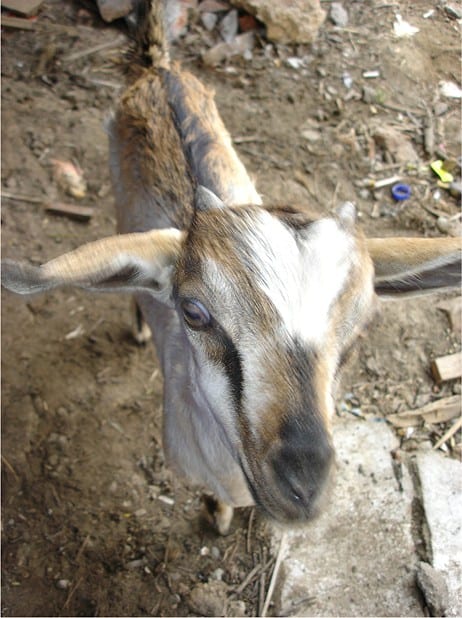
We are excited about our new ebook, Trampled Grass. Scroll down to learn how you can have a copy. A word from Curt Translation. Of all my African regrets, not becoming fluent in any language has been the largest. It has humbled me like nothing else. However, my stumbling around with my tongue has created lots of good stories . . . and new friends. “Lost in Translation” tells about a memorable translation faux pas. Daily, we’re posting chapters from our new ebook, Trampled Grass. If you enjoy the stories, please pass them on. You can download the entire book as a PDF at www.creekbank.net or as the Snippet App for easy reading on your tablet or phone. Trampled Grass will be available soon on Amazon. Our companion video, “We’re All in This Together” is available for viewing at our You Tube Channel. Blessings on your journey. Curt Iles Anakula mbuzi ambako ni amefungwa (Swahili) “The goat eats where it is tied.” -Sudanese Proverb [/tweetthis] Shelter from the storm: Goats in Nimule, South Sudan I hopped in the back seat of the Land Cruiser as I told Joseph Anyovi, “You sit up front and ride shotgun.” He turned. “Ride what?” “Ride shotgun. It means to . . .” Our driver, team leader Bob Calvert, shook his head. “Don’t even try to explain it. You’ll never get it across.” Bob nodded at Joseph. “You sit up front beside me.” Once again, something I said was lost in translation. Joseph and Jessica Anyovi on the day before the birth of their first child. I learned early on: don’t try to tell a joke to Africans. It just doesn’t translate well. So I should’ve known better . . . known better than to play a Jerry Clower story in a car of Madi tribesmen. One of my heroes, Jerry Clower Three young African friends were riding with me after a full day in the Bush. As we headed back to town, a big goat bounded across the road. That’s when the plan was hatched. I knew they’d enjoy Jerry Clower’s “Big Red Goat.” It’s one of Clower’s shortest (2-minute) tales. My colleague David Crane had nearly choked on a piece of chicken when I played it for him. It’s a story that always draws a burst of laughter at the punch line. That is if the listeners understand. With little introduction, I played “Big Red Goat” for my African friends. They listened with polite attention. A glance in the rearview mirror assured me they weren’t getting much of Jerry’s strong Southern accent. They laughed at Clower’s sound effects but the end of the story left them shrugging at each other. I should’ve known they’d have difficulty. Africans have lots of trouble with American accents, especially the more Southern-fried varieties (like mine and Jerry’s). That’s why most Americans over here acquire a fake-sounding British English accent. It’s not showing off but an attempt to be understood. I decided Jerry’s story needed translating. “Guys, let me tell you the background of the story and then I’ll play it again.” I pull off to the roadside. “It’s the story of two men who are deer hunting. They come upon a deep hole in the field. Not being able to see the bottom, they throw a stick in. There’s no sound, so they get a stump and chunk it in. Still no sound. One of the men sees an eight foot section of railroad track nearby. ‘Let’s throw it in there and I bet we’ll hear when it hits the bottom.’ The two men manhandle the heavy piece before sliding it in the hole. As they wait, a big red goat jumps into the hole. One of them says, ‘Did you see that?’ ‘Yep, it was a big red goat!’ Just then a man came walking out of the woods. He asks the hunters, ‘Hey fellows, have you seen my big red goat?’ The hunters looked at each other and one answered, ‘Yep, he just jumped into this hole.’ The man said, ‘That’s strange. I don’t see how he could’ve done that when I had him tied to an eight-foot piece of railroad track.’” I can hear y’all laughing all the way from Doodlefork to Deweyville. My African friends also laughed. We’ve spent enough time together that they’ve deciphered and decoded my Dry Creek dialect. I re-played Jerry’s “Big Red Goat” and they seemed to really enjoy it. I think they pieced together the story from Jerry and me. At least they were polite enough to laugh at the right spots. If you’re ready for a good laugh (and who isn’t) you can hear Jerry’s version of Big Red Goat. Learn more about my hero Jerry Clower. One Last Story on the perils of a Southern Accent in Africa: Two days ago I went into a northern Ugandan duka(store) to buy a tub of butter. The dominant brand is called “Blue Band.” I asked the middle-aged clerk, “Dada (Sister), I’d like a container of Blue Band.” She dutifully returned with a blue ink pen. At least she understood part of my request. “No. I mean Blue Band.” I used both hands to frame an imaginary butter tub. “Blue- Band-Butter.” She twirled the pen in her hand. “BlueBlandButter. I mean, BooBandButter.” An Ugandan standing beside me said, “He wants Blue Band.” The clerk went straight to the shelf and returned with my butter. Blue Band and a Blue Pen The three of us had a good laugh.
“E’s Sat Phone” Chapter 12 from Trampled Grass

INTRO A word from Curt Communication. It’s a good word and part of all of our daily lives. I believe you’ll enjoy the story below about communicating on the Continent of Africa. Daily, we’re posting chapters from our new ebook, Trampled Grass. If you enjoy the stories, please pass them on. You can download the entire book as a PDF at www.creekbank.net or as a Snippet App for easy reading on your tablet or phone. Trampled Grass will be available soon on Amazon. Our companion video, “We’re All in This Together” is available for viewing at our You Tube Channel. Blessings on your journey. Curt Iles Subscribe to our monthly StoryLetters. (Above) A traditional Murle hut. E’S PHONE Connecting across the Atlantic The crowd at Boroli Camp was growing and they weren’t happy. Ethan Bossier and I were the only whites within twenty kilometers and their initial hope at seeing us was cooled by our explanation that we had nothing to give. The Camp Chairman explained, through a young interpreter, that Boroli Camp had several thousand residents from twelve tribes in South Sudan. Most of the refugees, including him, were Murle from Jonglei State. As you learned in the previous chapter, the Murle have a unique reputation among the South Sudanese. All of my dealings with Murle had been good up to this point. Up to this point. But this crowd is suspicious. There is an edge to this crowd. Our appearance has been akin to a red cape flapped in front of a bull. The chairman’s name is Daniel. His interpreter, Ronald, is the camp youth chairman. Mr. Chairman continues to inform us that the Murle feel marginalized. “The other majority tribes have been favored. They have more boreholes, larger food rations, and better shelter supplies.” Joseph, a local Madi pastor, is with us. I can tell he’s getting nervous. When an African gets jumpy, it’s time for the Mzungu to pay attention. I slip out of the crowd and retreat to a nearby tree. We need something to break the tension that is building. I say a short Nehemiah-like “Flare Prayer” as in “Lord, help us.” I believe God answers in the form of a simple reminder. Get out your satellite phone. In the outlying camps as well as rural roads we travel, cell phone reception is poor or non-existent. I’m used to it: I come from the Bermuda Triangle of cell phone reception: Dry Creek, Louisiana. We recently purchased a satellite phone for situations in the Bush where we need to make contact but have no cell service. We used funds from a special friend who has chosen to support Open Hands Africa since we’ve been here. That’s why I call our satellite phone “E’s Phone.” E’s real name is Elizabeth or Beth. She is a dear friend who shares a mutual love with me: a place called Dry Creek Baptist Camp. Our satellite phone is a new model called a Sat Sleeve. I insert my iPhone into a slot on the larger phone and now I’ve connected to three satellites hovering over Africa. I can now call most of the world from the spot I’m standing. Our Thuraya Sat Sleeve Satellite phone I motion Ronald, the youth chair, out of the crowd. As I dial John’s number, I tell him, “Ronald, I have a Murle friend on the line. I’d like you to talk with him.” I pray for John to answer. John is a new friend who is a Murle church planter. He’s started churches in Pibor, Bor, and Juba. Each time fighting has forced him to evacuate. He is currently living between our town of Entebbe and Juba, the capital of South Sudan. John has a heart as big as Nairobi and a desire to see his people know Jesus Christ. “Hello. Who is this?” I explain who I am, trying every alias and description I have: “This is Mzee Curt . . . Mzungu in Entebbe . . . met you at Calvary Chapel Church . . .” Thankfully our game of charades ends with him connecting who I am. He’s in Juba and we have a clear signal. “John, I want . . . I need . . . you to talk to one of my Murle friends.” I hand Beth’s Phone to him. I can only hear one end and its in staccato Murle, but Ronald’s smile tells me much. I glance back at the crowd and can easily hear the chairman’s strident voice. Ronald hands me the phone and I wade through the crowd to the Chairman. I hand him the phone. “My friend John, who is a Murle, is on the line.” The camp chairman takes the phone and within half a minute, I realise several things: He knows my friend John and he is smiling. When the call ends, the chairman’s entire attitude has changed. We’ve been stood for. It’s a common term in Africa. It’s nearly a legal or ethical statement. “I know this man or woman and will stand good for them.” It’s like a legal bail: I’m standing for him and will take responsibility for him. Murle John has vouched for us. And he has saved the day. It has opened a relationship door for us with Boroli Camp. A door that we strive to continue to walk through in wisdom and compassion. And I’m convinced the door opener was Beth’s phone. We purchased it for our vehicle and long trips: breakdowns, getting hopelessly stuck, having two flats at once. However, the first time it was used was a different type of emergency: a relationship builder in an atmosphere of muted hostility. Thank you Lord for how you can use anything for your glory. Including a Thuraya Sat Sleeve Satellite Phone aka “E’s Phone.” Thank you Lord that you choose to use simple folks like us. Like DeDe and I. We are privileged to be on this journey at this season of our lives. And thank you Lord for praying
“Wow” Chapter 11 Trampled Grass

INTRO A word from Curt Marginalized. It’s a word we hear often among refugees. It’s the feeling that you (and your people group) don’t matter. You’re overlooked. Forgotten. Today’s post is about a group that feels very marginalized. They are called the Murle and they are one of South Sudan’s most interesting tribes. Daily, we’re posting chapters from our new ebook, Trampled Grass. If you enjoy the stories, please pass them on. You can download the entire book as a PDF at www.creekbank.net or as a Snippet App for easy reading on your tablet or phone. Trampled Grass will be available soon on Amazon. Our companion video, “We’re All in This Together” is available for viewing at our You Tube Channel. Blessings on your journey. Curt Iles Subscribe to the Creekbank Blog and receive notice of new blogs. Jovan and Jonah We climbed out of the Land Cruiser as the red Ugandan dust rolled past. In the distance, about three kilometers away, was Boroli refugee camp. I turned to Jovan, one of our young church leaders, “Jovan, that’s Boroli Camp. The Lord may send you to be pastor of that camp.” He stared a while before cutting his eyes at me. “Wow!” I wonder if that was Jonah’s response when God told him to go to Nineveh. “Wow!” As in “God, I can’t believe you want me to do that.” Now Boroli Camp isn’t Nineveh but it stirred the same emotion of fear in Jovan. “Wow!” Here’s why: Boroli is the most unique of the clusters that make up what is called Adjumani Camp. It consists of twelve tribes, with the Murle being in the majority. All of the other camps are mainly Dinka. The UN wisely knows to separate the Dinka from the others. They don’t play well together. Their main tribal rivals, the Nuer, are across the Nile at Rhino Camp. Refugee Camp experts understand that the world’s greatest river is needed to separate the Dinka and Nuer. But there are no Dinka or Nuer at Boroli Camp. The Murle are capable of creating enough trouble on their own. I love the Murle but they are South Sudan’s most misunderstood and feared tribe. They have an unfair reputation as baby-stealers and always ready for a fight. This week had been a tragic one at Boroli Camp. Several Murle refugees and local Madi had been killed in clashes. It began over a football (soccer) game that went awry. You could sense the tension in the local community. Boroli Camp was off limits during that time. That’s why my statement that God might send Jovan (a Madi) to a Murle camp elicited that one-word response that spoke volumes. “Wow!” We are asking you to place Boroli on your prayer list: Pray for peace in the camp. Pray that Jovan will be faithful to however God leads his life. My statement was in jest but I’m serious in about how obedience to God may lead us anywhere. Need I say, “Dry Creek to South Sudan?” I express it this way: Ready to Go/Content to Stay. It’s all about following Him. Everything else is just geography . . . and a willing heart. 2. Pray for Augustin and Mario who have started a Baptist preaching point in Boroli 1 and its sister camp, Boroli 2. These two young men are living in the Camp. On a recent visit, one of the Murle told us, “These men have come to live with us. They are drinking the same water we are.” 3. Pray for Juliet, a friend of DeDe’s who is a person of peace in Boroli. Pray also for positive tribal leadership and inclusion in the Camp. 4. Pray for our Chadan Engagement Team that we’ll wisely know when and if to work in 5. Pray for Albert, a Madi who oversees the camp on behalf of the Ugandan government. He emotionally shared about that week’s killing, “They killed one of my refugees.” This Madi bureaucrat took it personally that a Murle under his watch care had died. 6. Pray for John K., a Murle church planter I’ve come to know. He’s starting a new church in Juba, the capital of South Sudan. John is very concerned about his mother and family who are stranded in a refugee camp in Ethiopia. You’re invited to hear an inspiring message on Jonah by my Dry Creek pastor, Charlie Bailey. All I can say is “Wow!” Pray daily. Pray deeply. Pray for Boroli Camp. Parting Question: What “People Group” in your part of the world are stereotyped and marginalized? [gravityform id=”1″ name=”Contact Us!”] Follow us on Curt’s Facebook Enjoy our Boards on Pinterest Twitter: @curtiles #UpCountry The Creekbank Amazon Page Subscribe to the Creekbank Blog
Independence!

A word from Curt Independence. Such a sweet word. We Americans cherish it. Still celebrate it as a fire-cracking holiday each July. The Independence story in South Sudan is bittersweet. The following story shares why. We spend about half of our time on The Journey. Our Journey takes us into northern Uganda, South Sudan, and Kenya. We are currently on a trip with our home church (Dry Creek Baptist LA) to their people group, the Kakwa. We’re posting chapters from our new ebook, Trampled Grass. If you enjoy the stories, please pass them on. You can download the entire book at www.creekbank.net. We’ll be posting about this week’s journey on Facebook/Twitter at #goChadan/#UpCountry Blessings on your journey. Curt Iles Chapter 6 INDEPENDENCE A New Nation. A New Baby There is no love quite like a mother for her child. His name was Independence. A new child born on the new country’s first day. The first child born at South Sudan’s Juba Hospital shortly after midnight. 9 July 2011. The happy birth of Baby Moses. Full of hope and promise. His parents gave him the full name of Moses Independence. The mother, Josephine, shared of her high hopes (http://www.unicef.org/southsudan/reallives_birth_of_a_new_nation.html) for both her new son and the new country. In fact, many South Sudanese referred to their nation as New Sudan. New Sudan. A fresh start. A new beginning. Sadly, three years later, war has broken out in New Sudan. The future is uncertain. It’s a tragic story of dashed hope. Baby Independence’s story is even sadder. He died before his first birthday. Details are sketchy. (http://www.mirror.co.uk/news/world-news/south-sudan-one-year-on-864311) He became ill, got sicker, and the doctors and hospitals couldn’t help him. Baby Independence will never see his country grow into a true land of freedom and peace. It shouldn’t surprise us. Infant mortality is high. The average life span of a man is slightly over fifty-four. That’s what war, poverty, and famine do to the health of a nation. South Sudan is still a place where women stoically realize that pregnancy may be a terminal condition. They may die giving birth to a new life. The life span of a South Sudanese man is less than 57 years. In Africa, the stats of those dying in war zones are not limited to mortars and machine guns. Many more die from malnutrition, opportunistic diseases, and famine. Dead is dead. It doesn’t have to be by a bullet. Since the December (2013) fighting broke out between the rebels and government, many have written the obituary of New Sudan. “If they can’t get along for more than two years, what hope is there for this country?€ They fought the Arab north, where thousands died to bring this opportunity to become a new free nation, and now the selfishness of power-hungry leaders, has resulted in this ongoing war. My home country, America, is known as the “Midwife of South Sudan.” Our government and aid organizations worked hard to broker the peace deal that created the world’s newest nation. The United States has poured millions of dollars into South Sudan. America the Midwife is now watching its baby on life support. Probably like the midwives who delivered Baby Moses Independence felt as sickness sapped his young life. Helpless. Wondering what went wrong. What could have been done differently? South Sudan is on life support. Her breathing is shallow. But where there is breath, there’s life. David Deng, the son of a Dinka chief and American mother, said it well, “If you’re not an optimist, you have no business being in South Sudan.” Things can change. Things can get better. Even if Africa seems cursed, things can turn around. It won’t happen overnight. It won’t be easy. Progress is seldom easy nor free. I come from the Louisiana Piney Woods. I come from Louisiana, the heart of rural United States South. It was probably the last part of America to move beyond the scourges that hold people back. In the latter nineteenth century, malaria, yellow fever, measles, and smallpox still killed people. Infant mortality was high. Once I stood in the oldest part of Dry Creek Cemetery with my mentor, Mr. Frank Miller. He pointed at the weathered headstones. “Look how every tall tombstone is surrounded by small ones.” He shook his head. “Most of the old timers buried at least one child. Some buried many.” Pointing at one grave, he said, “She died in childbirth. It was all too common back then.” The rural area that birthed me is much different now. I believe South Sudan can be also. The new country has a long list of problems and challenges to overcome. The recent conflict has set this back. But there’s still life. And hope. There’s a belief (held by those optimists like our Chadan team) that things can and will get better. I believe it’s through changed hearts and minds that the nation can step beyond the present despair. Without apology, I believe hearts and minds are only changed by the Spirit of God coming into a person. That’s why we forge ahead with the Gospel. It has the power to change lives. And changed lives can produce a changed nation. As another tough optimist/jailbird named Paul said, “Forgetting the past and striving for the future. . . .” So, DeDe and I can honestly say that there’s no part of the world we feel that we can make a difference more than in South Sudan. It won’t be easy. Good things seldom are. South Sudan was just labeled the “World’s Most Failed State.” (http://en.wikipedia.org/wiki/List_of_countries_by_Failed_States_Index) That means there’s only one way to go. Forward. And with God’s help, Better. We cannot take our hands off the plow. We will not look back. Africa Stories (http://www.commissionstories.com/africa/stories/view/imb- missionary-reflects-on-the-third-birthday-of-south-sudan) recently featured another version of this story. Please read and pass on. (http://www.mirror.co.uk/news/world-news/south-sudan-one-year-on-864311)
Where is “Up Country?”

A word from Curt UpCountry We spend about half of our time Up Country. Our Journey takes us into northern Uganda, South Sudan, and Kenya. We are currently on a trip with our home church (Dry Creek Baptist LA) to their people group, the Kakwa. We’re posting chapters from our new ebook, Trampled Grass. If you enjoy the stories, please pass them on. You can download the entire book at www.creekbank.net. We’ll be posting about this week’s journey on Facebook/Twitter at #goChadan/#UpCountry Blessings on your journey. Curt Iles Chapter 4 #UP COUNTRY “I’m going up the country/Got to get away.” “Canned Heat in “Up the Country” Most of the stories in Trampled Grass take place in the part of Uganda called “Up Country.” This rural and wild part of the country is often sneered at by residents in Kampala. It’s considered backwards and unstable. It’s our favorite part of the country. Uganda isn’t a large country. Its size compares roughly to our state of Colorado. Its neighbor to the north, South Sudan, is about the size of Texas with Oklahoma thrown in. Comparison of Uganda and the United States Up Country Uganda is rural. For better or worse, it’s the real Africa. You cannot understand Uganda without a geographical understanding of its relationship to the Nile River. The Nile begins its long journey as it surges out of Lake Victoria at Jinja, Uganda. This is considered the source of the great river. This section, commonly known as the Victoria Nile, flows north then turns west across central Uganda where much of it is actually a large swampy area called Lake Kyoga. Uganda’s main north-south highway crosses the Nile at one of the country’s most beautiful spots, Karuma Falls. This is where Up Country begins. Immediately, there is a different look and ambiance. The trees thin as grasslands dotted with Palm Trees dominate the landscape. The people are different also. The Up Country tribes are primarily Nilotic while those south of the Nile are Bantu. This creates a delineation between the two regions. Until a decade ago, you crossed at Karuma Falls at the possible risk of your life. Northern Uganda was in the purview of the Lord’s Resistance Army. More on that misnamed group later. Before turning north, the Nile passes through Murchison Falls National Park in and out of Lake Albert. This area is renowned for its animal life and beauty. Yawning Lion at Murchison Falls National Park, Uganda It’s now called the Albert Nile and crisscrosses Up Country before entering South Sudan on its continued long journey to Egypt. Most of the stories in this book take place along the Albert Nile. There are three major refugee camps along the River: Adjumani Camps, Rhino Camps, and Koboko Camps. Adjumani, which is actually a dozen clusters covering a county wide area, is where Dinka refugees have settled. Rhino Camp is primarily occupied by the Nuer tribe. Koboko Camp contains Kakwa refugees from neighboring Congo. Matrix of Koboko Camp clusters I feel much more comfortable in Up Country than on the urban shores along Lake Victoria. It’s probably because I’m from “the sticks in Louisiana.” I’m Up Country. At least that’s what the folks in Louisiana would call us. That’s all right, Jesus was Up Country as far as the Jerusalem Jews were concerned. He and his band of followers were considered “Country Bumpkins.” People from our largest city, New Orleans (http://www.creekbank.net/neworleanshearts/), sneer at our part of Louisiana as “backwards and ignorant.” That’s similar to the reaction of citified Kampalans to Uganda’s distant north. So I understand about how Up Country folks feel. Many times they use the term “marginalized.” They’re underdogs. And we Americans always love an underdog. Up Country. Like John “Karamajong” Bell, I prefer the wild part of Uganda. John Bell preferred Up Country. Bell, a British colonial administrator, so preferred northern Uganda that visitors to his Entebbe office were invariably told, “He’s not in. He’s gone to Karamajong.” That’s how he got his nickname. On our trips to the wild North, we tweet with hashtag #UpCountry In Trampled Grass, you’ll learn about the people who live Up Country, a place where you’re made to feel welcome. A place where babies often burst out crying at the sight of a white man. A place where we are showered with rural hospitality and kindness. It’s where we are often startled, surprised, and delighted. At other times, shocked, disgusted, and disappointed. It’s Up Country.